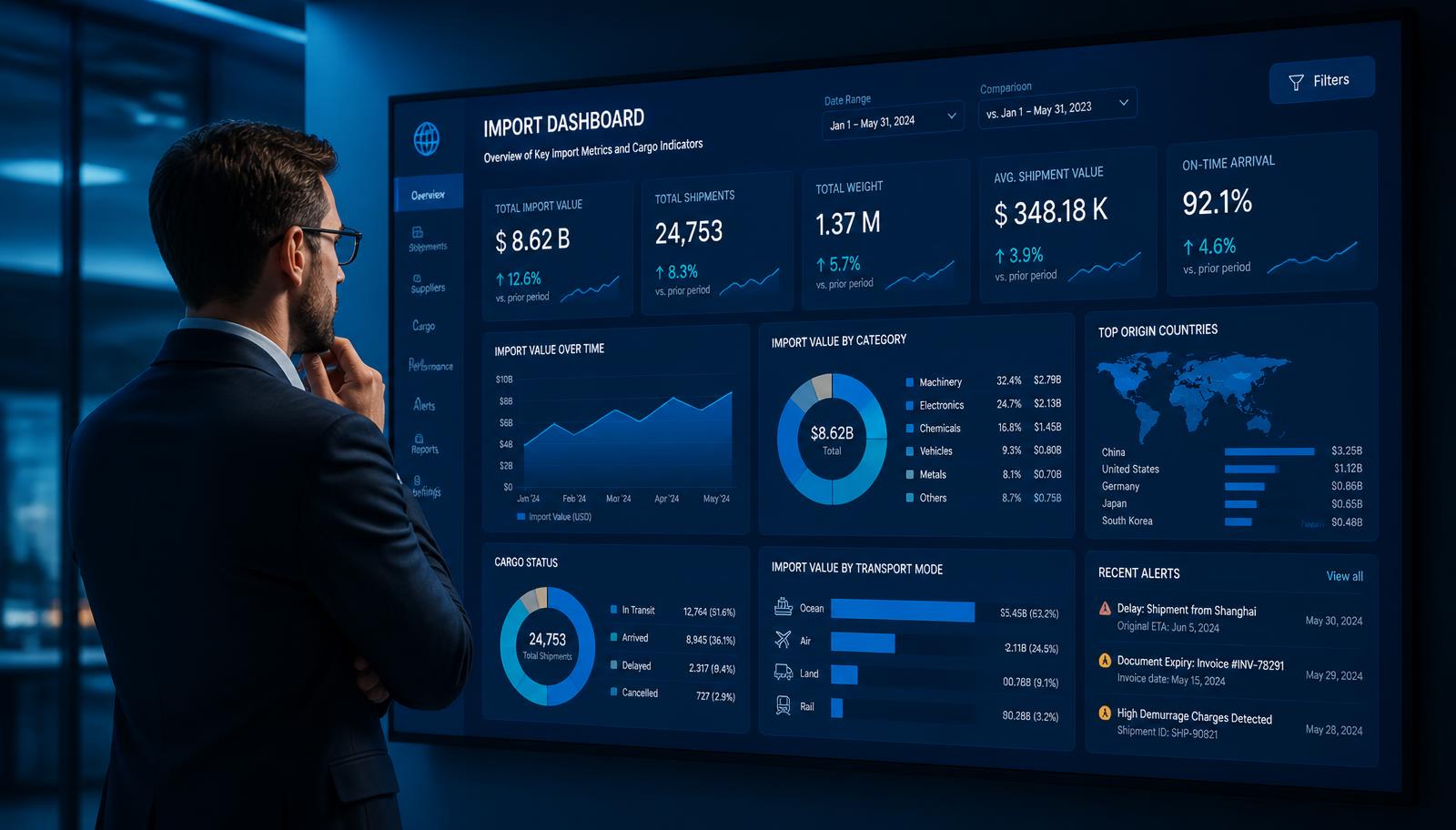
The new IOF increase and the invisible cost many importers still ignore

Brazil has once again raised the IOF on credit operations. This change may seem small in raw numbers, but it represents a significant impact on the final cost of operations for those working with financed imports. With the new IOF, 180-day bank credit for companies, for example, went from 1.12% to 1.86% — an increase of more than 65%. This means more than 0.3% per month additional to the operation spread. In a scenario of tight margins and volatile exchange rates, every percentage point weighs.
What most importers don't notice
Many importers only look at the spread when contracting credit. Few realize that IOF is an extra, invisible bite that accrues daily on the capital borrowed. In a R$ 5 million financing, this difference can represent tens of thousands of reais — without being clear at the time of contracting.

The competitive advantage of being IOF-exempt
Vixtra operates with a different model. Using Commercial Notes as a legal instrument, the credit offered to importers is IOF-exempt. This means that the customer who borrows from us automatically saves, without needing to negotiate or compare hidden rates. If applied, for example, a rate of CDI + 0.80% per month, without IOF, is more advantageous than CDI + 0.50% with IOF. The math is simple when you remove the taxation noise.
Protection against exchange rates and the tax authority
Furthermore, Vixtra's credit is in reais, which protects the customer from exchange rate fluctuation. Instead of worrying about IOF, the dollar quote and hidden rates, the importer has predictability. In unstable times, transparency and savings make more difference than ever. That's why it's worth learning how Vixtra Credit works and understanding why it became the smart choice of major Brazilian importers.