How China became the "world's factory"
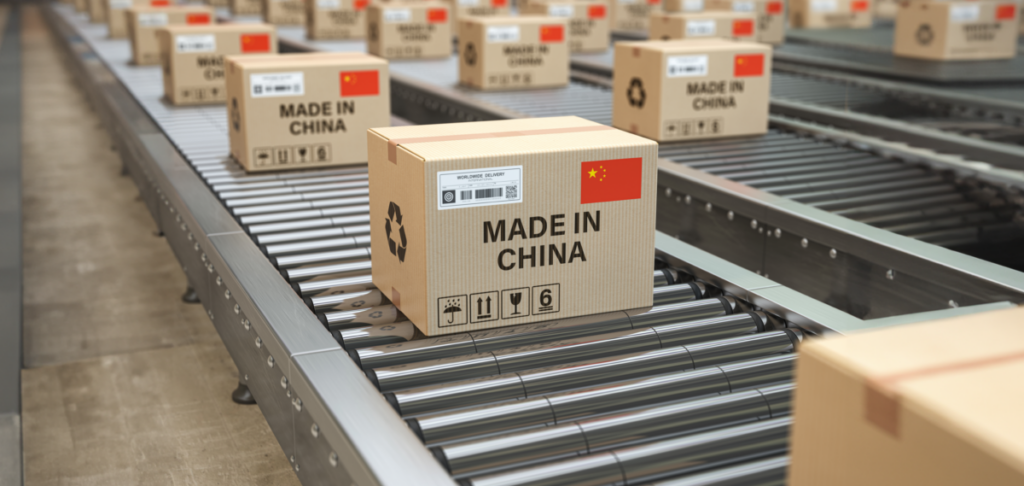
In 2009, China surpassed Germany and became the global leader in exports, a leadership it maintains to this day.
China is the world's largest exporter, but why? First, some historical context is needed given the country's nearly 4,000 years of history.
The origins of Chinese trade
Among the first Chinese discoveries were silk, tea and porcelain. With the establishment of the terrestrial Silk Road in the 2nd century BC, these products were traded via caravans with neighboring empires in Central Asia and even with the Roman Empire.
Combined with productive potential, by year 0 China already had abundant labor, with approximately 60 million people.

New inventions emerged locally, such as paper, the compass and gunpowder, and by the end of the Tang Dynasty (618-907) a Maritime Silk Road was established.
Maritime expeditions and European trade
In the 15th century, China's most famous navigator, Zheng He, traveled to 37 territories in his maritime expeditions between 1405 and 1433. In the 16th century, the Dutch brought Chinese tea on a large scale to Europe, where the product gained wide popularity.
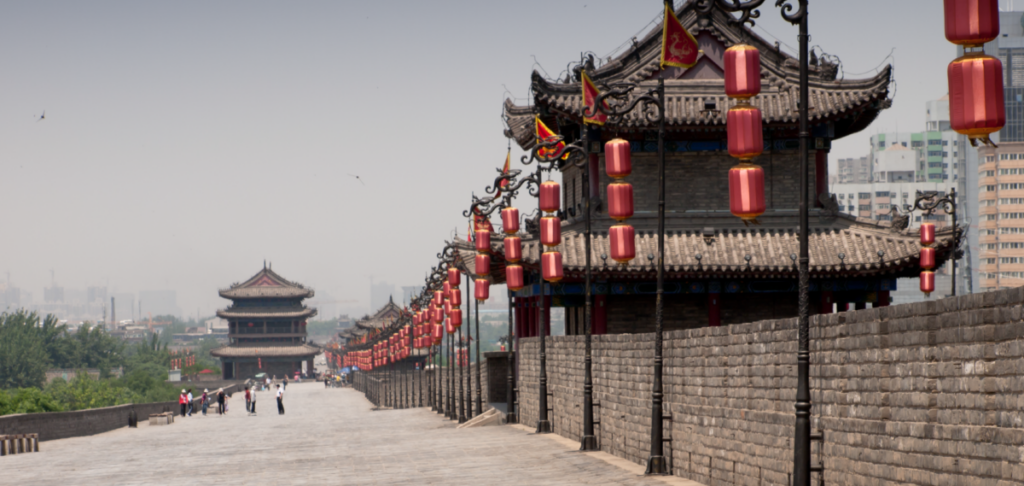
The 19th century was one of the worst in China's history, when the Chinese empire lived under semi-colonial conditions.
Industrialization and the Canton Fair
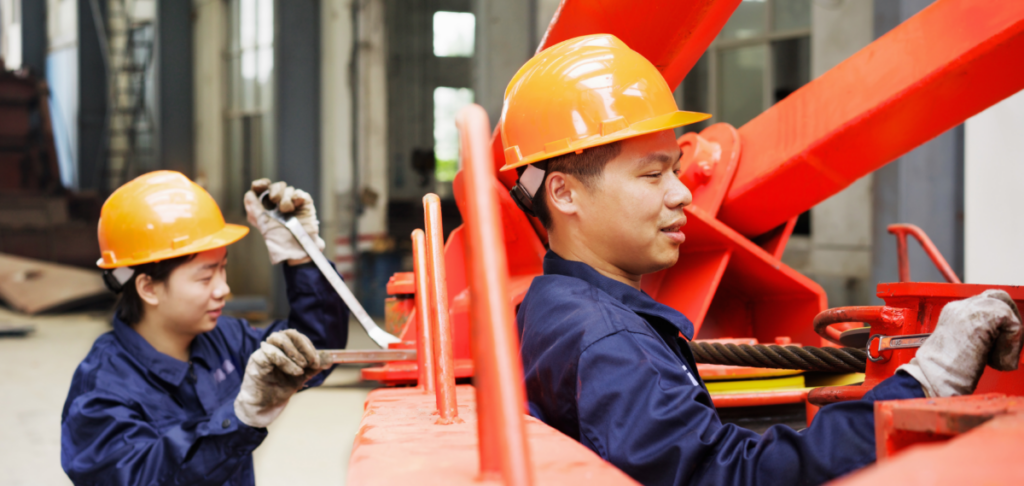
During Mao Zedong's government (1949-1976), the foundations of Chinese heavy industry were established. In 1957, the famous Canton Fair was created.
Deng Xiaoping's reform
In 1978, Deng Xiaoping initiated China's reform and economic opening. His main measures included: opening to foreign investment through joint ventures and creation of SEZs (Special Economic Zones), with Shenzhen being the pioneer in 1979.
The result? Numerous multinationals established factories in China to take advantage of cheap and abundant labor.
WTO entry and global leadership
In 2001, China finally joined the WTO after 15 years of intense negotiations. In 2009, China surpassed Germany and became the global export leader.
The New Silk Road
When Xi Jinping took office in 2013, he proposed the New Silk Road strategy, or BRI (Belt and Road Initiative).
The top 3 categories most exported by China in 2023 were: machinery and electronics (59%), textiles and clothing (5%) and agricultural products (3%). The top 3 destinations were ASEAN (16%), European Union (15%) and USA (15%).
As Top 3 categorias mais exportadas pela China em 2023
Top 3 destinos em 2023 mais exportados pela China em 2023
Economic clusterization
Shenzhen, the first SEZ in 1979, developed expertise in electronics manufacturing, so much so that it's called "China's Silicon Valley". It's estimated that for every 4 phones produced worldwide, 1 is made in Shenzhen.
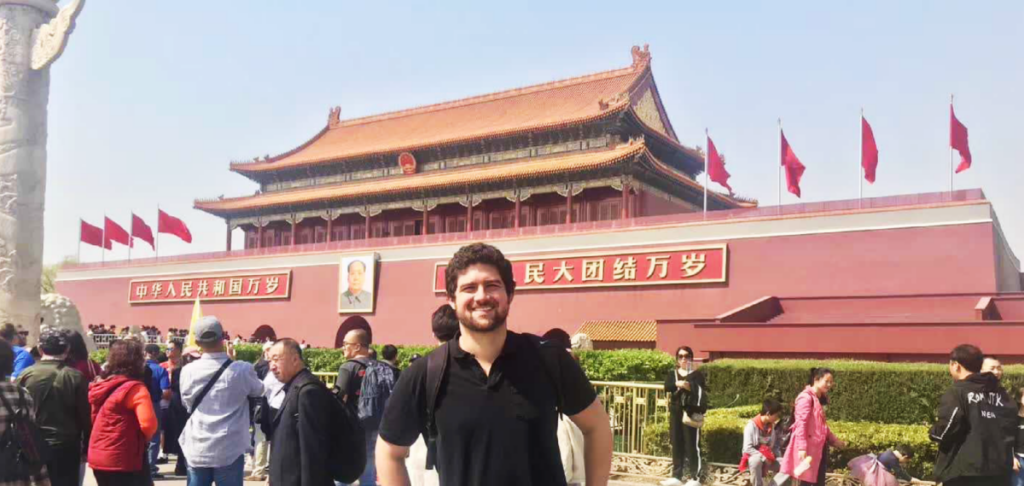
This article was written by Fernando Velloso, Vixtra's Partnership Manager who lived in China for 3 years.