Rubber in Brazil: The Invisible Engine Driving Industry
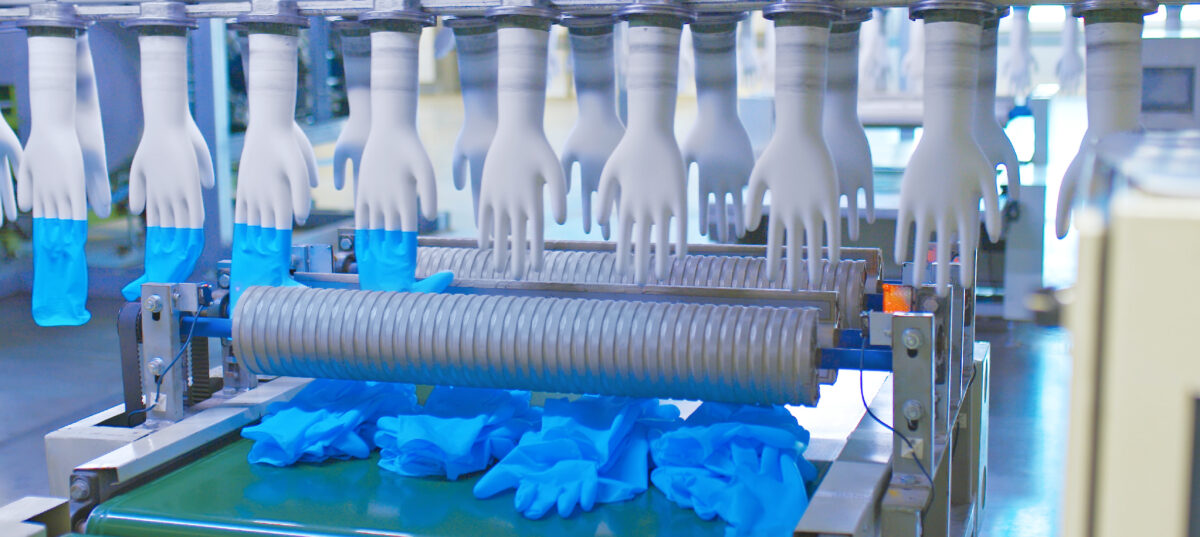
"Rubber is the invisible engine driving various industries, supporting everything from cars to medical equipment."
Imagine, for a moment, a car that can't move, a shoe without a sole or a hospital without surgical gloves. What do all these images have in common? They all depend on an essential and often underestimated element: rubber. At the base of many products we take for granted, rubber plays a critical role in sustaining multiple industries. But where does this rubber come from? How does it reach Brazil? And more importantly, how do importers deal with the challenges associated with its acquisition?
A Closer Look at Rubber
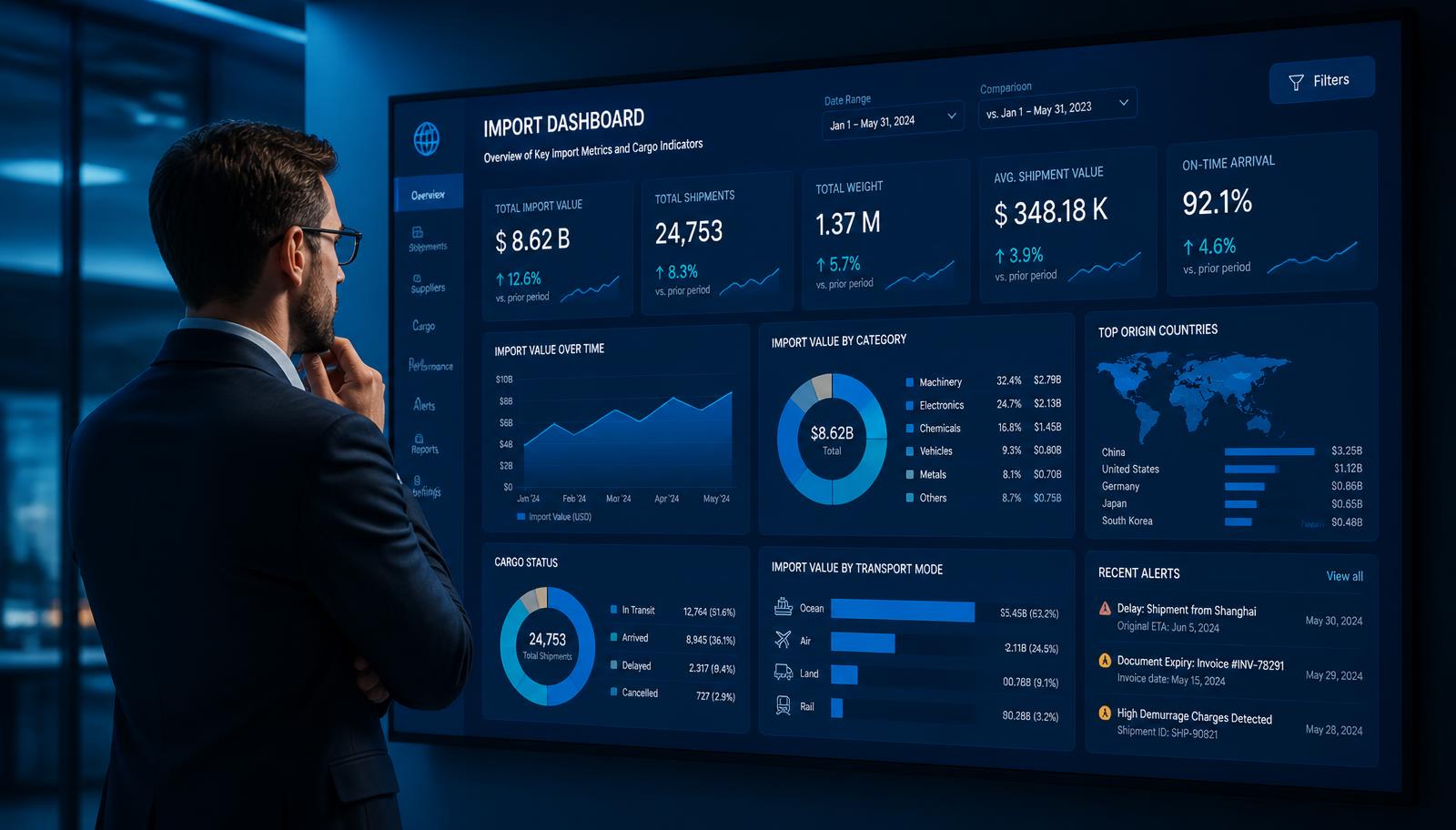
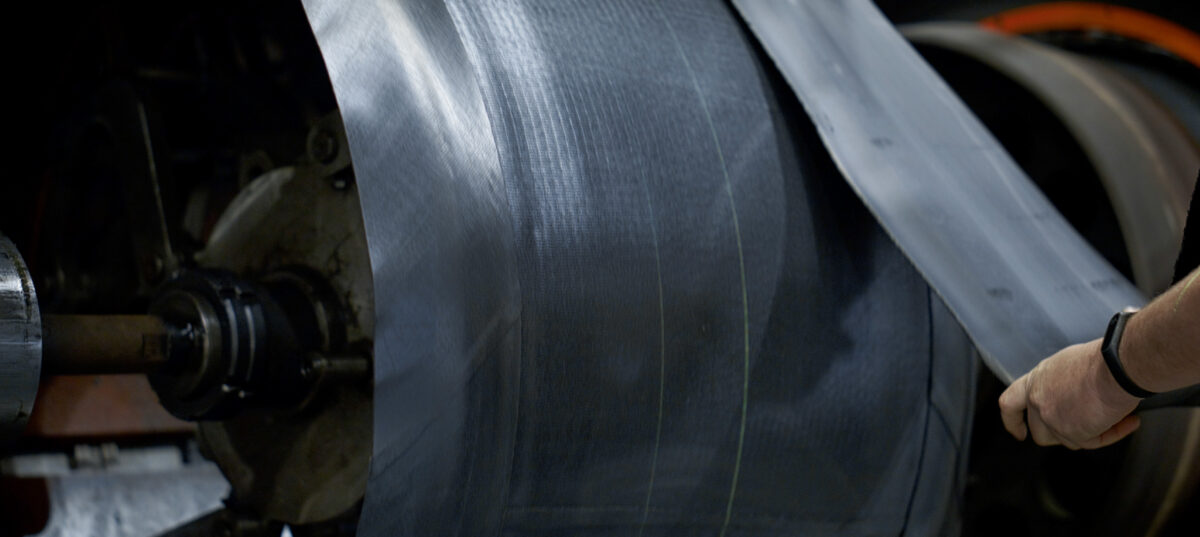
In Brazil, rubber is an essential input for various industries, from tire manufacturing to shoe sole production and medical equipment. Recently, rubber imports have shown a trend of stable growth. Through June 2024, Brazil imported approximately 2.185 billion dollars in rubber, a 3.9% increase compared to the same period of the previous year.
The Crucial Role of Trade Finance
For many importers, purchasing rubber is more than a simple commercial transaction; it's an exercise in risk management and cash flow. The need to pay international suppliers in advance while waiting for merchandise arrival creates a financial gap that needs to be filled. This is where trade finance becomes essential.
Vixtra enters the scene, offering a more agile alternative adapted to the needs of Brazilian importers. By using in-transit cargo as collateral, Vixtra eliminates the need for receivables or traditional assets.
The Future of Rubber in Brazil
Looking ahead, forecasts suggest that rubber imports in Brazil should continue at a stable level, with a slight upward trend compared to 2023. However, for importers, the challenge remains how to finance these imports efficiently.
Here, fintechs like Vixtra play a crucial role. By offering flexible credit solutions adapted to the specific needs of importers, Vixtra not only facilitates access to capital but also contributes to the stability and growth of commercial operations in Brazil.
For more details, check out the Rubber Import Study.
José Eduardo MacFarland (Zé Mac) is Head of Marketing at Vixtra.